.webp)
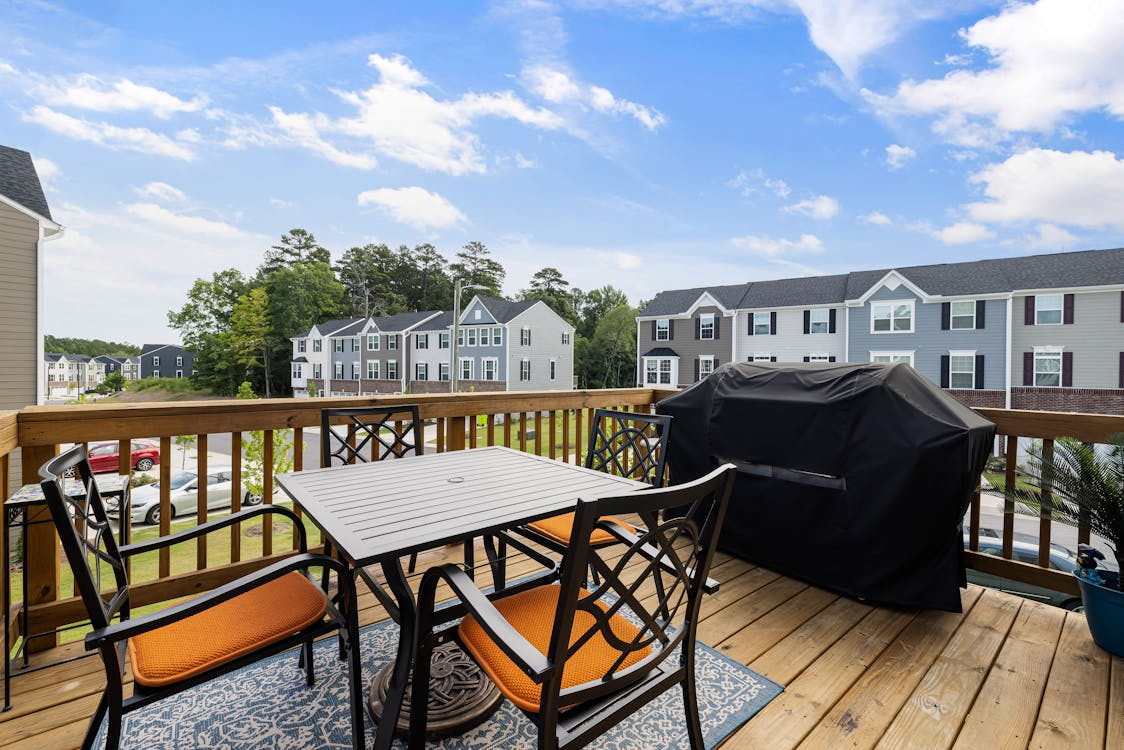
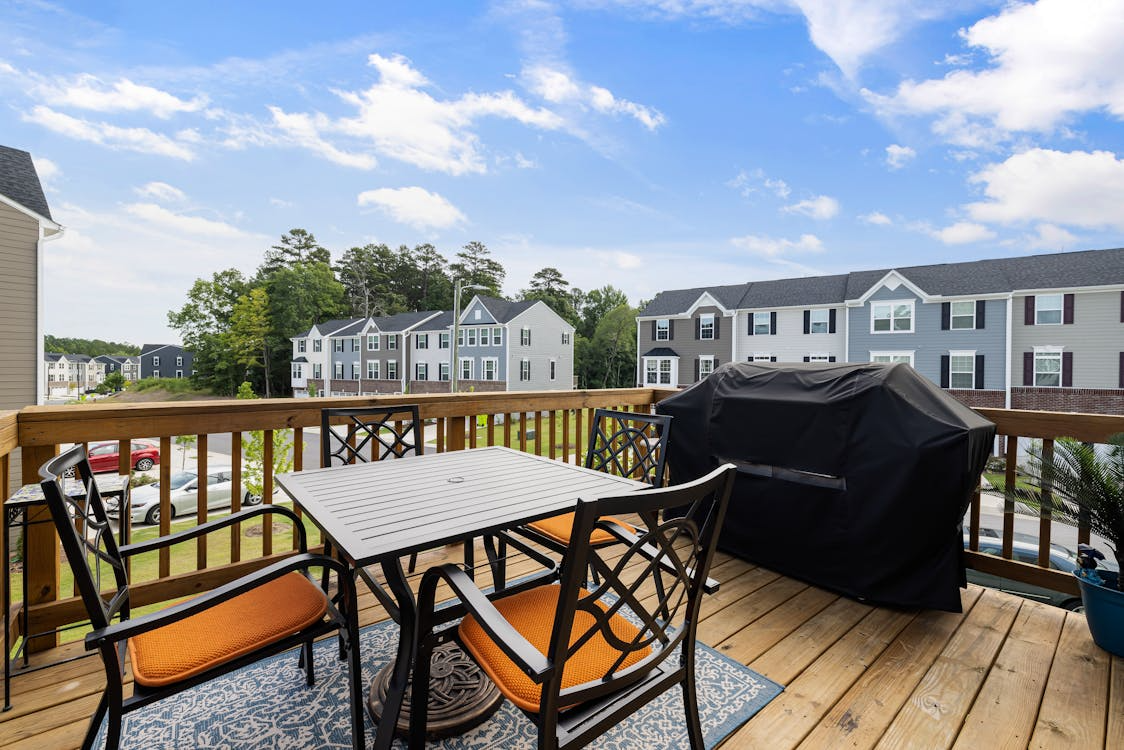
A well-built deck can become one of the most used and enjoyable parts of a home. From outdoor dining to relaxing evenings with family and friends, decks create valuable outdoor living space. But in Georgia’s climate—where heat, humidity, rain, and seasonal storms are common—many homeowners are left to wonder: How long does a deck actually last?
The answer depends on the materials used, the quality of construction, and how well the deck is maintained over time.
Different decking materials have different life expectancies.
Traditional wood decks typically last:
Pressure-treated lumber is commonly used because it resists insects and moisture better than untreated wood, but it still requires ongoing maintenance in Georgia’s humid environment.
Composite materials generally last longer than traditional wood decks—often 25–30 years or more.
Because composite boards resist:
They are a popular low-maintenance option for many Georgia homeowners.
Georgia weather can be tough on outdoor structures. Different factors influence how long a deck lasts:
Humidity & Moisture. High humidity and frequent rain can lead to:
Drainage and ventilation are important to prevent damage caused by moisture.
Sunlight UV rays can result in:
Decking that is shaded and partly covered tends to last longer.
A professionally built deck will typically last much longer than one built with poor materials or improper installation techniques.
Structural support, flashing, fasteners, and spacing all affect long-term durability.
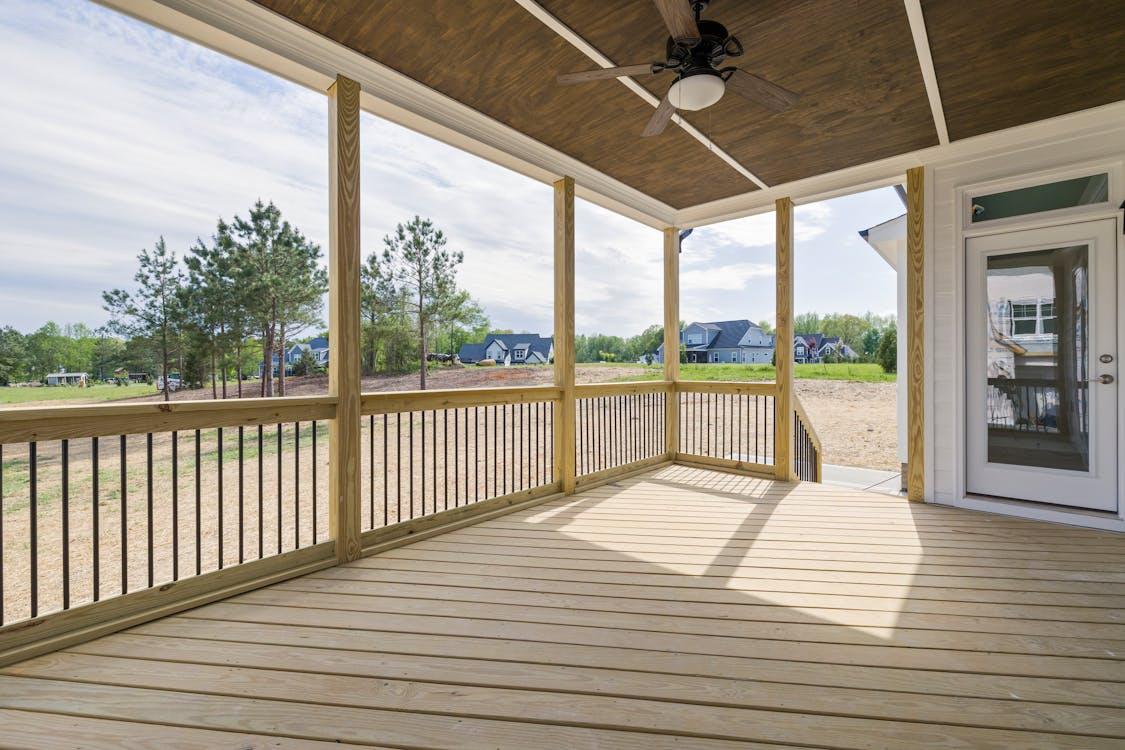
Leaves, dirt, and pollen can trap moisture on the deck surface.
In Georgia—especially during spring pollen season—regular cleaning helps prevent buildup that can stain or damage materials over time.
A wash now and then may keep the deck looking good and functioning properly.
Every year, inspect your deck for:
Small repairs made early will save money on future repairs.
Your wooden decks need to be sealed or stained after a few years due to:
It becomes more important to use quality sealants for outdoor applications in the climatic conditions of Georgia.
Standing water can damage your deck.
Be sure that:
Air flow under the deck will help keep moisture levels down.
Overhanging branches and dense landscaping can:
Keeping plants trimmed back improves airflow and sunlight exposure.
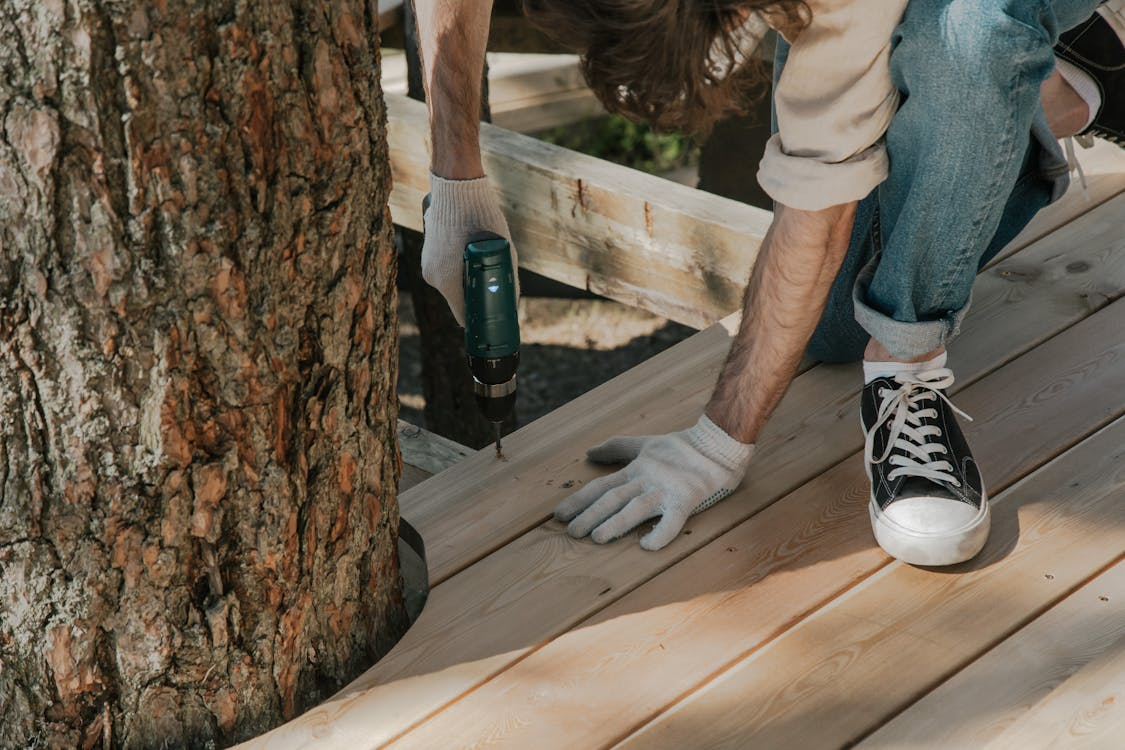
Even with good deck maintenance, all decks eventually reach the end of their lifespan.
Signs it may be time for replacement include:
In some cases, resurfacing or partial repairs may be possible instead of a full rebuild.
The lifespan of a deck begins with how it’s built. Professionally designed and installed decks are better equipped to handle Georgia’s weather conditions and everyday use.
Builders America designs outdoor living spaces with durability, functionality, and long-term performance in mind—helping homeowners create decks that remain safe, attractive, and enjoyable for years.
A deck’s lifespan depends on materials, maintenance, and climate exposure. With proper care, many decks can provide decades of outdoor enjoyment for Georgia homeowners.
Regular cleaning, inspections, moisture control, and quality construction all play an important role in protecting your investment and increasing the life of your outdoor space.
Thinking about upgrading or replacing your deck? Contact Builders America for a personalised quote and experience tailored to your home and outdoor living goals.
.svg)