%201.png)
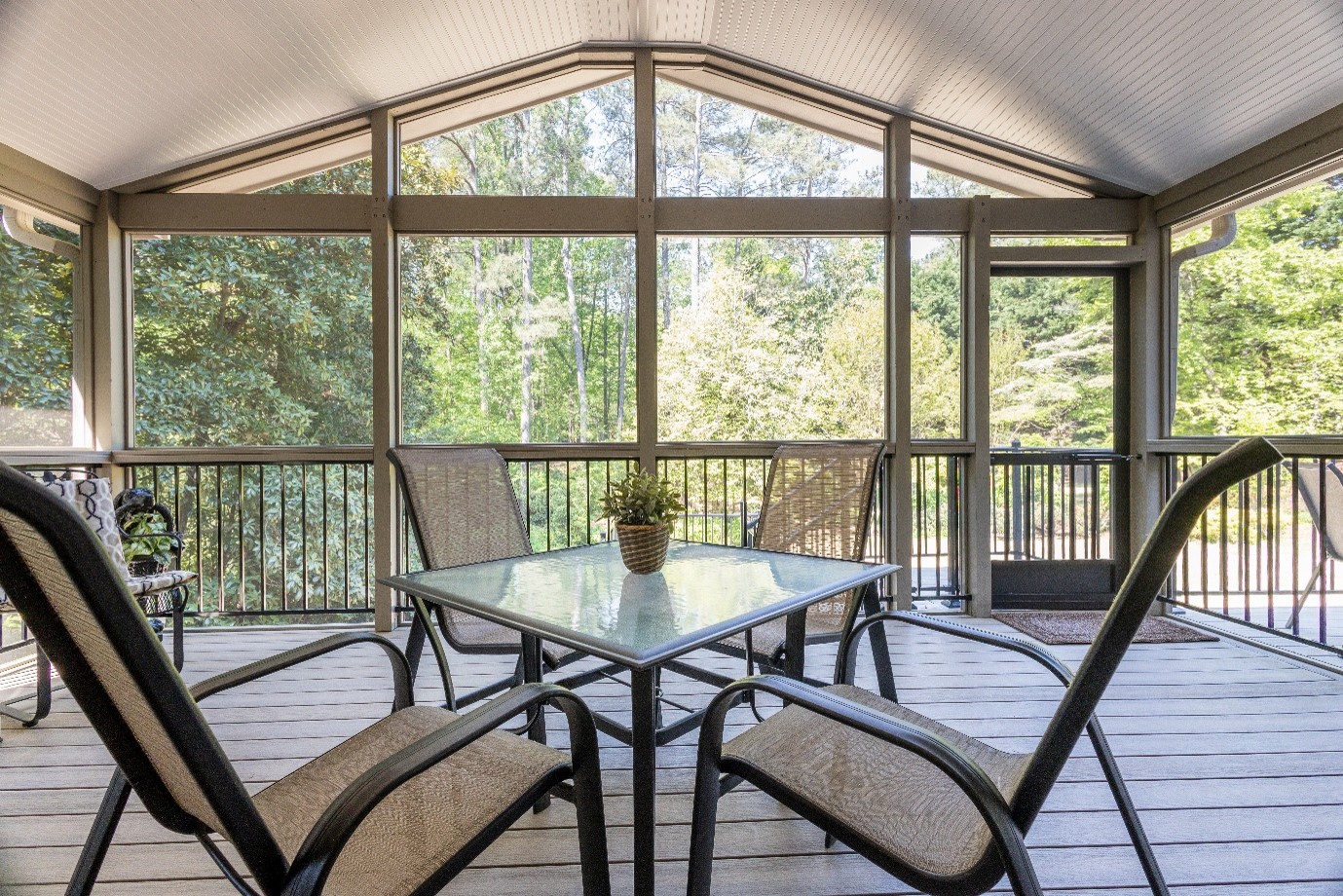
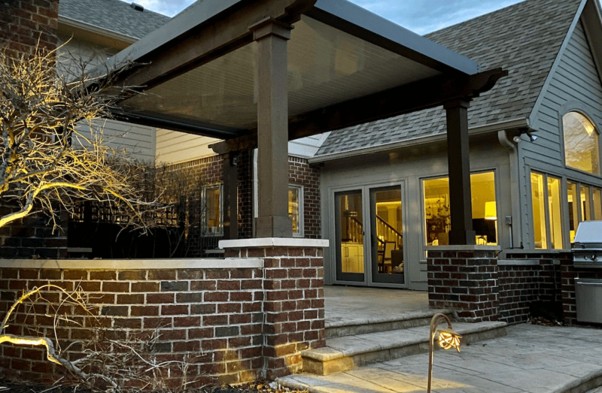
A sunroom should feel like a natural extension of your home—not a separate structure attached to it.When the design, materials, roofline, windows, and finishes complement the existing architecture, a sunroom can add valuable living space while enhancing the overall appearance of your property.
For homeowners in Metro Atlanta and North Georgia, thoughtful integration is especially important. A well-designed sunroom needs to work with your home's existing structure while also addressing Georgia's heat, humidity, rain, insects, and seasonal pollen.
Before deciding on the size or style of your sunroom, look closely at the architectural features of your home.
Consider:
● Roof pitch and roofline
● Exterior siding, brick, or stone
● Existing windows and doors
● Trim and architectural details
● Overall color palette
While a classical house might complement itself with classical windows and their corresponding trimmings, a modern house may look better with straight lines and larger window glass areas.
The goal is not to make the sunroom identical to the rest of the home, but to make the two structures feel visually connected.
The roof is one ofthe most noticeable elements when a sunroom is viewed from outside. A roof that feels disconnected from the home's existing design can make the addition look like an afterthought.
An expert designer is able to assess the roof pitch and structure in order to find out what roof type is more suitable.
Solid roofs will offer additional shading and look more traditional, while glass or window types will offer plenty of sunlight.
Windows are one of the defining features of a sunroom, but the right choice depends on how you plan to use the space.
For homeowners looking for a flexible three-season space, ViewFlexVinyl windows are a popular option in Georgia. They can be opened to increase airflow and closed when homeowners want protection from rain, insects, and spring pollen.
This can be particularly useful during Georgia's heavy pine pollen season, when keeping an outdoor living area enclosed can make it significantly easier to maintain.
For homeowners looking for a year-round living space, insulated glass windows and appropriate climate-control solutions may be a better fit.
Your sunroom doesn't have to use exactly the same materials as your home, but the finishes shouldcomplement one another.
For example:
● Match or coordinate exterior paint and trimcolors
● Choose siding that complements the home's existing exterior
● Coordinate brick or stone accents where appropriate
● Use similar window and door finishes
They serve to provide visual cohesion and ensure that the addition looks like it was part of the original design of the home all along.
The placement of the sunroom can impact both how it looks and how comfortable it feels.
Questions to consider include:
● Sunrise vs. sunset sun exposure
● Backyard views
● Current landscaping
● Kitchen/living space access
● Privacy from neighboring properties
A professional site evaluation can help determine how the sunroom can fit naturally into the existing footprint while making the most of the available outdoor space.
A well-integrated sunroom should feel connected to the rooms around it. Consider how people will move between the existing home and the new space.
Large openings,appropriately positioned doors, complementary flooring, and consistent finishes can create a smoother transition.
The result is a space that feels like an intentional part of the home's floor plan rather than an isolated addition.
Architecture is onlyone part of the equation. A sunroom also needs to perform well in local weather conditions.
Metro Atlanta homeowners should consider protection from:
● Summer heat and humidity
● Heavy rain
● Seasonal storms
● Insects
● Spring pollen
Choosing appropriate windows, roofing, ventilation, and materials can make the space more comfortable and easier to maintain.
A good sunroom design should work for your home today and continue to make sense years from now.
Consider how you may eventually use the space. A room that starts as a casual sitting area could later become a dining space, home office, reading area, or entertainment room.
Planning for flexibility can make your investment more valuable over time.
Integrating a sunroom into an existing home requires more than choosing attractive windows and finishes. The addition needs to work structurally, visually, and functionally with the home.
Builders America helps homeowners throughout the Metro Atlanta and North Georgia regions design outdoor living areas that will harmonize with their existing homes and meet the requirements posed by the Georgia climate.
A good sunroom looks as though it is an integral part of the house. By taking into account architectural elements, choosing proper building materials and windows, and thinking about placement, you can achieve great results.
No matter whether you are considering a three-season sunroom with Flex-Vinyl windows or an all-year-round four-season sunroom, a thoughtful approach is key to success.
Would you like to learn more about designing a sunroom that suits your home? Feel free to contact Builders America for a free quote.
.svg)