.webp)

A sunroom offers light and outdoor views while keeping out the weather and bugs. However, condensation may sometimes form inside.
A little condensation is normal, but too much can cause discomfort or long-term issues. Understanding causes and prevention helps keep your sunroom comfortable year-round.
Condensation happens when warm, moist air touches a cooler surface, turning water vapour into tiny droplets.
In a sunroom, condensation most commonly appears on:
Occasional condensation is fine, but frequent moisture signals problems with ventilation or humidity.
Too much humidity inside your home is one of the main reasons for condensation.
Activities such as:
These activities add indoor moisture, which can cause condensation as temperatures change.
Condensation often forms when warm air inside meets cooler glass surfaces.
This is especially common during:
Greater indoor-outdoor temperature differences make condensation more likely.
Poor airflow can trap humid air inside the sunroom. If air doesn't move well in your sunroom, humid air can get trapped inside and settle on cooler surfaces, particularly around windows and corners where air movement is limited.
Metro Atlanta homeowners frequently expect high humidity for much of the year. When this combines with changing temperatures, it creates perfect conditions for condensation. You will experience moisture buildup during periods of elevated humidity.
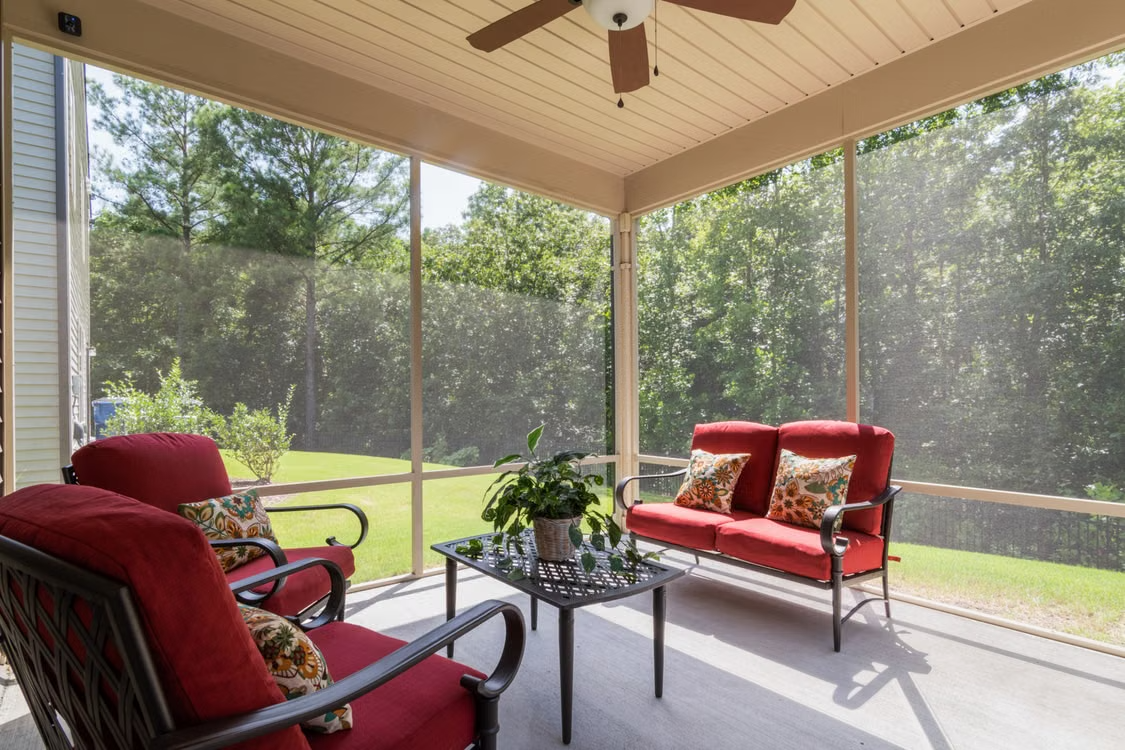
Getting more air moving is one of the best ways to cut down on condensation.
Good airflow lets moisture leave before it can settle on surfaces.
Balanced humidity helps reduce condensation. Helpful strategies include:
Most homes feel comfortable when the humidity stays between 30% and 50%.
Choose Quality Window Systems
Modern window systems can help lower the temperature differences that cause condensation.
Flex-Vinyl windows are effective in Georgia for three-season sunrooms, allowing ventilation and protection from insects, rain, and pollen.
Opening window panels when the weather is mild can boost airflow and help get rid of trapped moisture.
Keep air moving, even in cool months, to reduce moisture buildup.
Ceiling fans are particularly useful because they:
Larger Problem.
A little condensation is normal. Persistent or heavy condensation could signal a bigger issue.
Warning signs include:
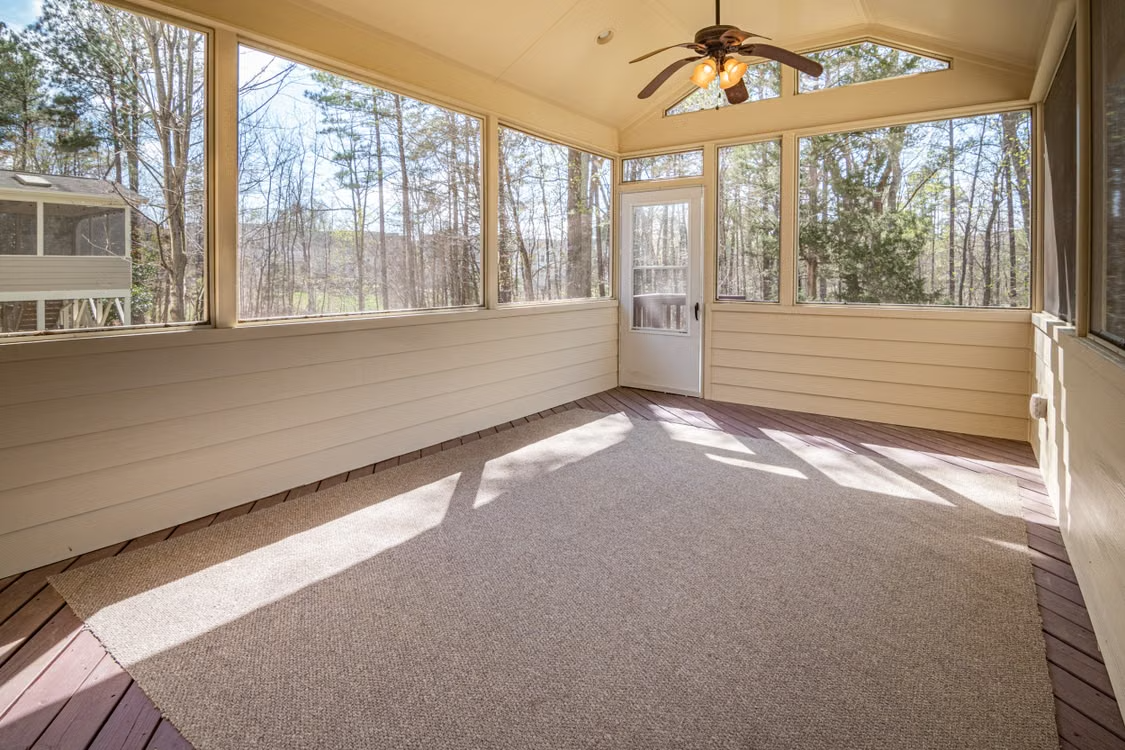
Good design and installation can help prevent many condensation problems.
Factors such as:
All these factors keep your sunroom comfortable.
A well-designed sunroom fits the climate and promotes airflow and moisture control.
Condensation is a common issue for sunroom owners, especially in Georgia’s humid climate. Fortunately, most cases can be managed with good ventilation, humidity control, and smart design choices. By understanding its causes and taking preventive steps, you can protect your sunroom and keep it comfortable year-round.
If you’re thinking about adding a sunroom or want to make your current one more comfortable, reach out to Builders America for expert advice and get a personalised quote.
.svg)